CAUSAL AI · BIOMEDICINE
Learning how the world changes — not only how it correlates.
I develop causal learning methods that recover structure, estimate counterfactual outcomes, and remain useful under distribution shift. My current work brings these ideas into biomedical AI and causal world models.
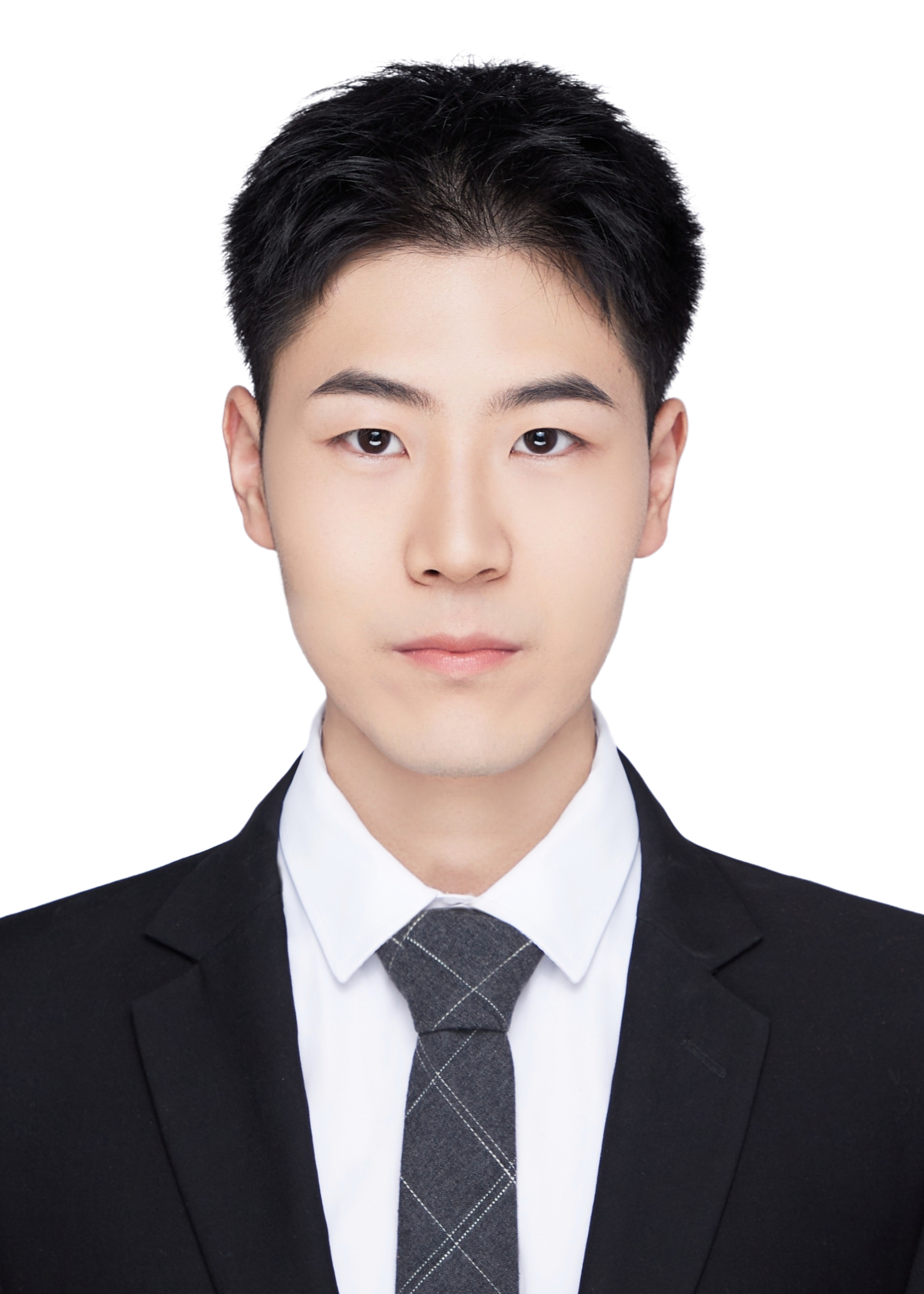
I am a PhD student in Biomedical Engineering at the College of Future Technology, Peking University (2025–2029), focusing on biomedical artificial intelligence and causal world models. I received my MEng from the Institute of Automation, Chinese Academy of Sciences in 2024, where I studied causal discovery, causal inference, and social computing.
My work follows a continuous path from the foundations of deep causal learning to robust causal discovery and real-world decision support in medicine.
Research focus
Causal representation & world models
Learning representations that isolate stable, mechanism-relevant factors and support intervention, transportability, and scientific interpretation.
Reliable causal discovery
Building supervised causal learners around identifiable structures and adapting them at test time to reduce bias and distribution-shift failures.
Temporal causal inference for medicine
Estimating counterfactual treatment responses from longitudinal clinical data and turning routine physiological profiles into individualized decisions.
Selected recent work
A generalist precision medication framework using temporal causal inference based on treatment-free physiological profiles
Temporal causal inference for personalized treatment strategy optimization using routine physiological data.
Test Time Training for Supervised Causal Learning
Instance-aligned training at test time for causal discovery under distribution shift.
Deep Causal Learning: Representation, Discovery and Inference
A unified account of how deep learning advances causal representation, discovery, and inference. 2025 Impact Factor: 30.4 (ranked 1/146 in Computer Science Theory & Methods).
Learning Identifiable Structures Helps Avoid Bias in DNN-based Supervised Causal Learning
Identifiability-aware structured prediction for consistent supervised causal discovery.
Education
- Peking University, PhD student in Biomedical Engineering, College of Future Technology, 2025–2029
Research: Biomedical AI, causal world models - Institute of Automation, Chinese Academy of Sciences, MEng in Social Computing, 2021–2024
Research: Causal discovery, causal inference, social computing - North China Electric Power University, BEng in Computer Science and Technology, 2017–2021
GPA 91.46, ranked 1/119; National Scholarship; Outstanding Graduate
Last updated: August 2026